Timbermax vs Competition
WPC boards are used for decking, façades, fencing and other exterior structures. The term WPC, however, covers materials with different constructions, manufacturing technologies, surface protection and finished appearance.
Two small samples may look comparable at first glance. Across a complete deck or façade, differences in grain, colour variation, surface texture, pattern repetition, joint width and detailing become much clearer. Other differences only emerge after years of use.
Timbermax has supplied and installed WPC decking and façades since 2009. We have worked with co-extruded WPC materials in Slovakia for 15 years, observing their performance on real buildings through summer heat, UV exposure, rain, frost and everyday use.
For Timbermax, co-extrusion is therefore neither a new trend nor a technology known only from a data sheet. A new board shows how it looks today. Fifteen years of experience reveal how it can perform over time.
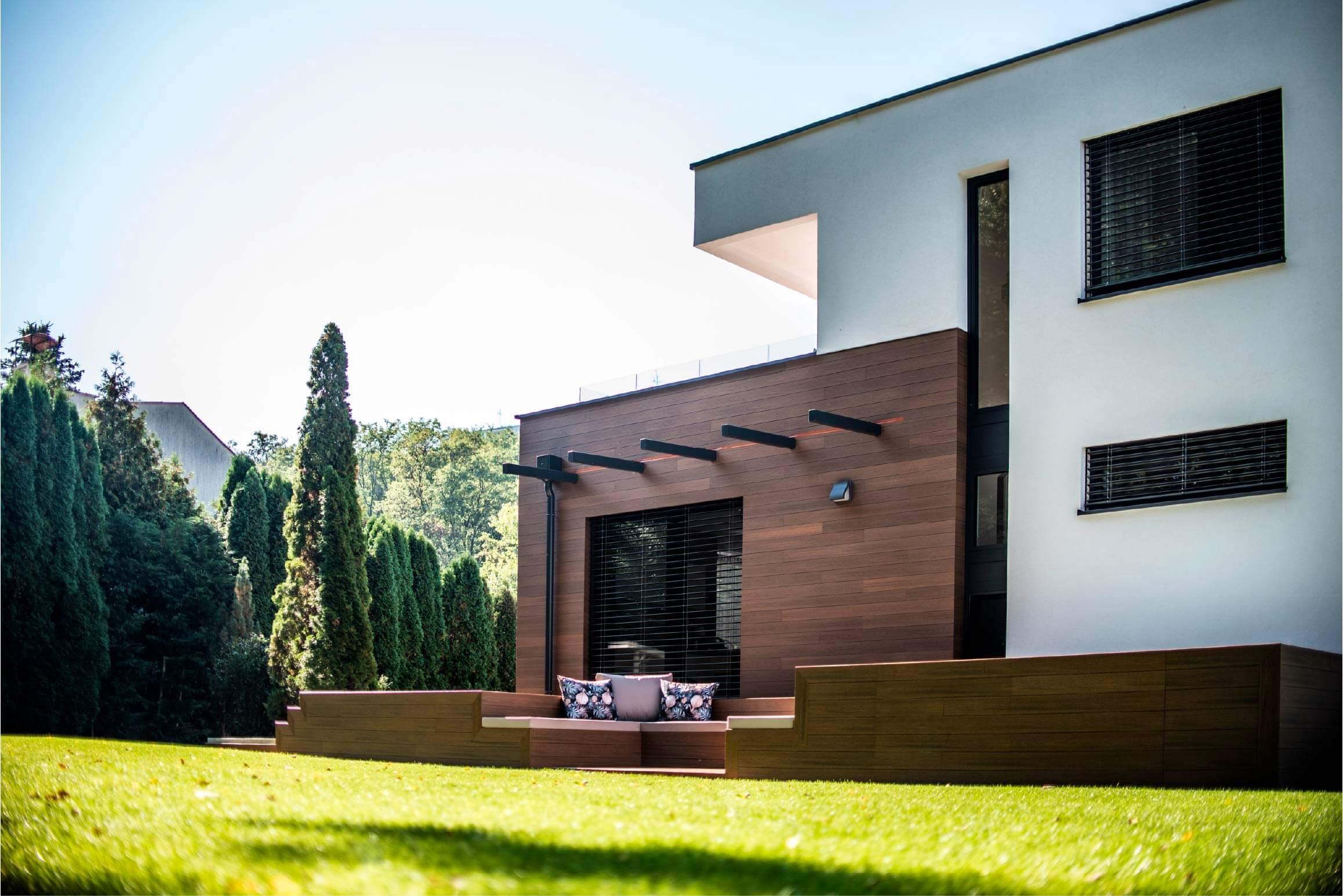
Not all WPC boards are the same
WPC means that a product combines wood fibres with a polymer component. The name alone does not determine the product's quality or its suitability for a particular project.
Price per square metre, dimensions and weight are therefore not enough for a meaningful comparison. Two boards with similar figures may use different technologies and may not deliver the same result. A higher price is not, by itself, proof of higher quality. Decisions should be based on specific properties, technical documents, warranty terms, experience with the material and the appearance of the completed project.
- composition and density of the composite core
- profile construction
- quality and extent of the protective cap
- protection of the sides and installation grooves
- surface resistance to moisture, stains and scratching
- colour, UV and dimensional stability
- test results and warranty conditions
- quality of the installation system and a record of real completed projects
The difference often appears years later
Almost every new deck looks good. The real test is its surface after years of sun, water, frost, dirt, moving furniture and daily use.
A laboratory test indicates how a material should perform under defined conditions. An older completed project shows how it actually performed on a real building.
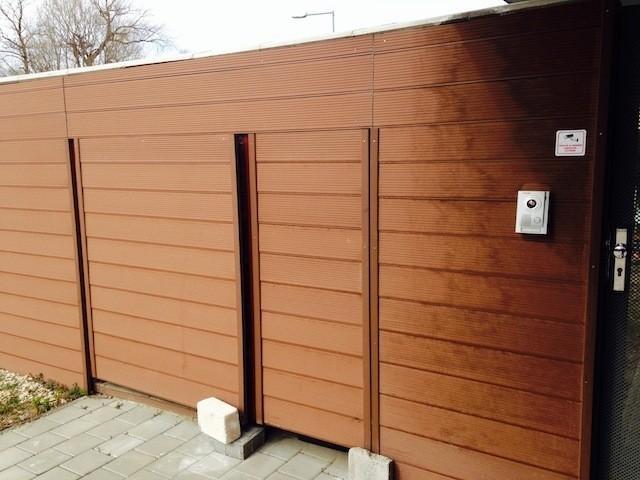
Questions worth asking
- How is the composite core protected?
- Does the protective cap cover the entire board?
- Which tests were performed, and by whom?
- What exactly does the warranty cover?
- Are there older projects made from the same material?
- Does the quotation include only the board or a complete engineered system?
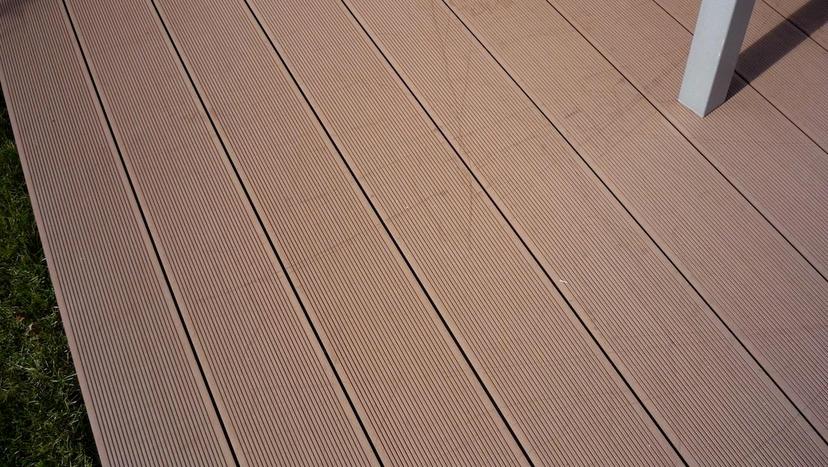
Traditional and co-extruded WPC
With traditional WPC profiles, the composite itself forms the exposed surface. Mechanical brushing can reveal more wood particles. The resulting performance depends on the material composition, manufacturing method, location and regular care.
Co-extruded WPC combines the composite core with a protective surface during manufacturing.
The cap on Timbermax EXOTIC profiles covers the complete circumference of the board, including its sides and installation grooves. This 360° protection limits direct exposure of the composite core to moisture, dirt and other external influences.
This cap matters because the visible surface of a deck or façade is also the part exposed to the greatest day-to-day wear.
Surface, maintenance and colour stability
A deck is exposed to rain, grease, food, drinks, pollen and everyday dirt. The closed protective surface of Timbermax EXOTIC limits their penetration into the composite core. Many marks can be removed with water and a standard cleaning product; the correct procedure always depends on the type of contamination.
We do not describe WPC as completely maintenance-free. It does not, however, require the regular sanding, oiling or protective coating associated with timber decking. Routine cleaning remains a natural part of caring for any exterior surface.
Every exterior material is exposed to UV radiation and weather. The protective surface of Timbermax EXOTIC profiles contains colour pigments and UV stabilisers and is designed to protect the material's colour and appearance in long-term exterior use.
Selected Timbermax EXOTIC decking and façade profiles are covered by a 25-year limited manufacturer's warranty under standard residential use. The exact scope, conditions and exclusions are set out in the warranty document.
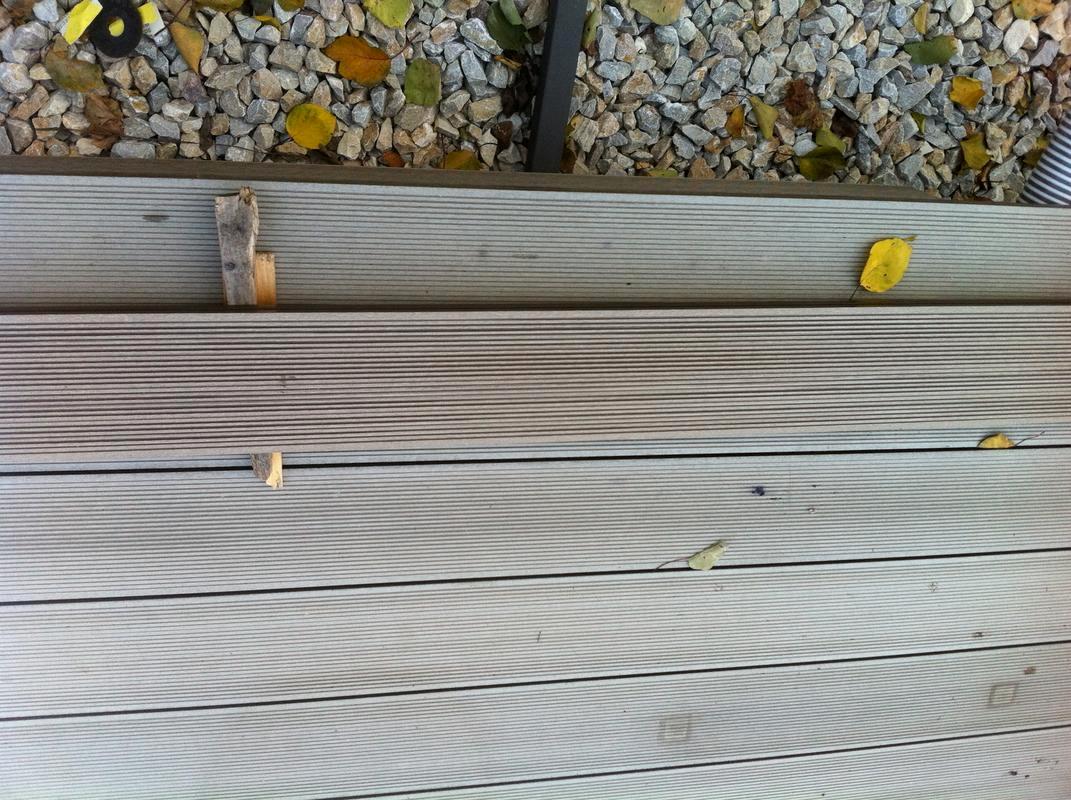
Technical test results
The technical values for Timbermax materials are based on manufacturer tests performed to the stated test standards. Results should be considered together with the specific test method and the supporting technical documentation.
Comparative values for other WPC materials are meaningful only when they come from an identifiable product tested by a comparable method.
Timbermax WPC technical test results based on manufacturer documentation| Tested parameter | Test standard | Measured value | Practical meaning |
|---|
| bending strength | ASTM D6109 | 25,8 MPa | Profile strength under load |
|---|
| abrasion resistance | ASTM D4060-10 · 1000 cycles | 17 mg | Lower material loss indicates greater abrasion resistance |
|---|
| scratch resistance | FLTM BO 162-01:2009 | 22 N | Greater force required to scratch the surface |
|---|
| slip resistance | DIN 51130:2010 | 19,7° – R11 / 35° – R13 | Classification depends on the tested surface |
|---|
| water absorption | ASTM D1037 | 0,14 % | Low water absorption measured in the test |
|---|
| artificial aging tint change | ISO 4892-2:2006 · 1000 h | ΔE = 1,2 | Small measured colour change after UV testing |
|---|
| reaction to fire class | EN ISO 11925-2:2010 | D | Classification under the stated test standard |
|---|
Dimensional stability and correct installation
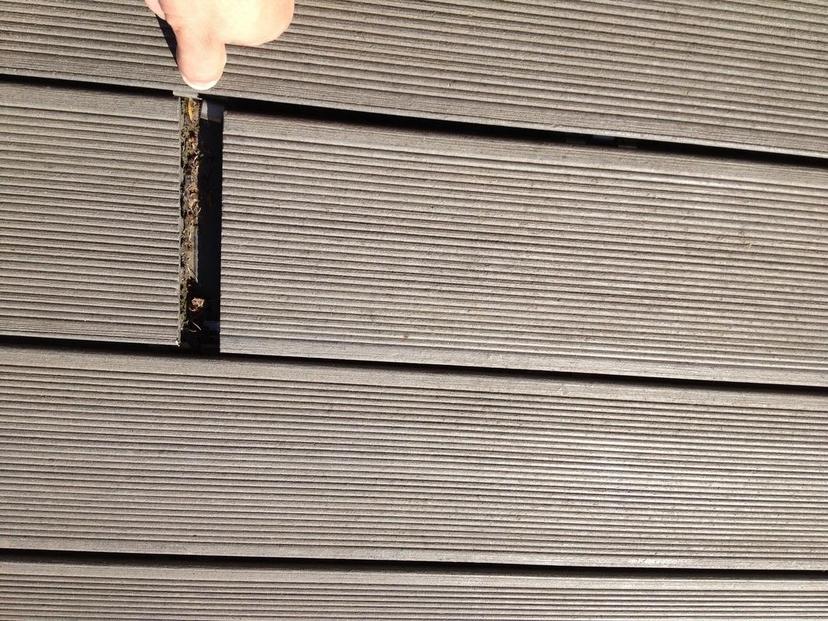
WPC contains a polymer component and therefore responds to temperature changes. Profiles expand when heated and contract when cooled. The extent of this movement depends on the material, colour, profile length, construction and installation conditions.
The board alone does not determine the result. Fixing clips help control profile movement and maintain consistent joints. Timbermax systems use matching clips and stainless-steel screws.
- a correctly designed and level substructure
- specified support spacing and expansion gaps
- adequate ventilation and water drainage
- suitable anchoring and fixing clips
- compliance with the installation instructions
The material is only one part of the result
Even a good material can cause problems when installed incorrectly. Every deck and façade has a different substrate, dimensions, height, drainage requirements and construction details.
We recommend aluminium profiles for the substructure. Aluminium provides a strong, level base, holds screw connections securely and does not rot.
Timbermax supplies the material and provides professional installation. This allows every part to be designed as one working system, from the substrate and substructure to the boards, clips and finishing details.
Appearance is part of the value
Customers do not choose a deck or façade from a technical data sheet alone. The finished surface remains a visible part of the building and influences the character of the entire home.
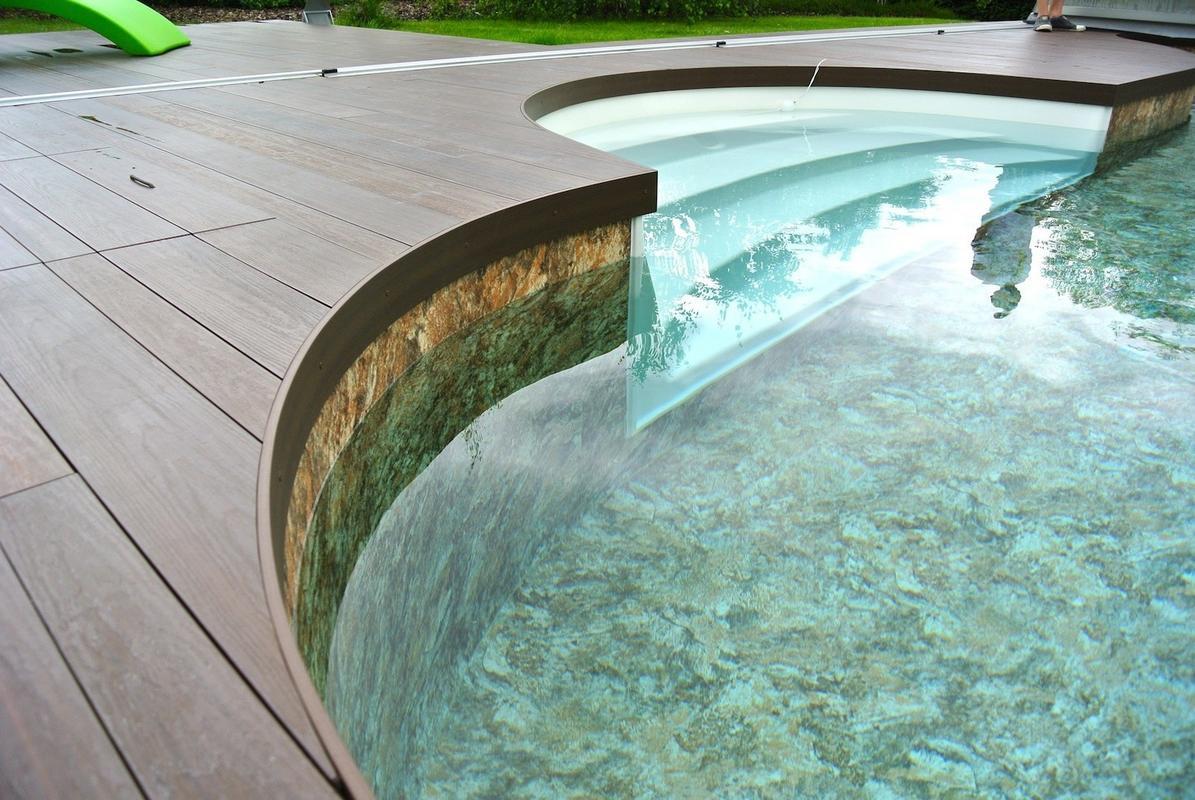
With Timbermax materials, we pay close attention to wood grain, surface texture, colour variation, natural pattern changes, profile proportions, joint widths and finishing details.
A larger surface reveals the difference between a board that merely resembles wood and a material whose grain, colour and texture form a convincing whole.
A natural appearance and carefully developed surface are among the qualities our customers often appreciate in Timbermax materials. Appearance is subjective, so we recommend comparing more than photographs or small samples. A larger area, a completed project and natural daylight provide a much clearer impression.
Technology determines how a material should perform. Appearance also determines whether you want to live with it on your home for the coming decades.
When similar is not enough
Timbermax is not a WPC solution chosen on the basis of the lowest price per square metre. We do not explain the price difference through price itself or a general claim of superior quality.
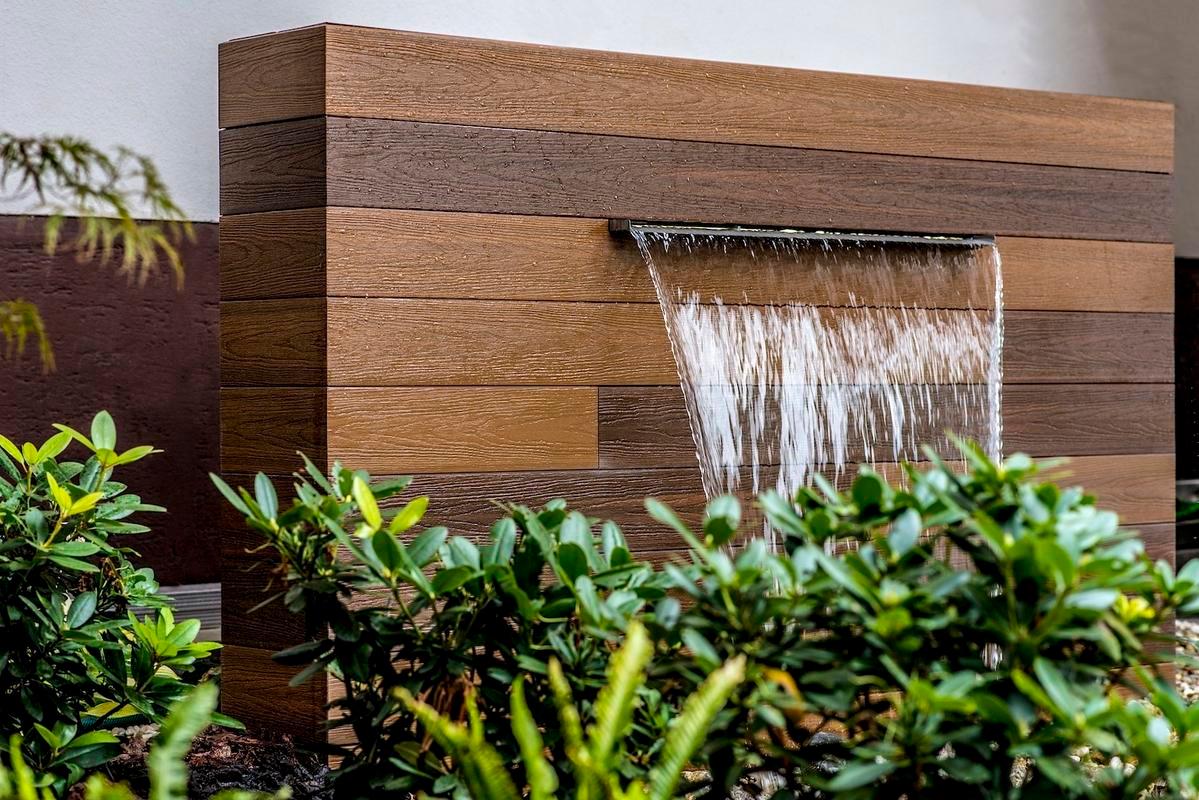
It reflects a combination of co-extrusion technology, a protective cap around the complete profile, test results, warranty conditions, a professionally designed system and 15 years of experience with the material in real conditions. Grain, colour, surface and the overall appearance of the finished project matter just as much.
The question is therefore not only whether two boards can perform the same basic function. It is whether they deliver the same result and whether this is the material you want to see on your home for decades.
If two completed projects stood side by side, which one would you choose without knowing their price?
That answer reveals whether you are comparing two truly equivalent options or simply two products carrying the same WPC label.
You consider the price difference when you buy. You experience the appearance and the finished result every day.
Check the evidence and see the finished result